
HOME BUYER PROTECTION GUIDE | PENNSYLVANIA & FLORIDA
That beautiful model home could be one of the biggest purchases of your life. Before you sign the builder’s paperwork, ask: Who is actually protecting your interests?
Imagine walking into a brand-new model home. The kitchen is spotless, the flooring looks perfect, and a friendly salesperson is ready to help you choose a lot. It feels simple. But a new-construction purchase can involve months of building, specialized contracts, substantial deposits, design upgrades, inspections, financing restrictions and warranties. A mistake in any one of those areas could cost real money.
There are many excellent builders, and plenty of buyers have successful experiences. The concern isn’t that builders are dishonest. It’s that the builder has professionals working for its interests, while an unrepresented buyer may not have someone independently reviewing the overall deal. Here are ten reasons to consider a buyer’s agent before your first new-home community visit.

1. The Builder’s Salesperson Is Not Automatically Your Advocate
A builder’s sales representative may be knowledgeable, polite and genuinely helpful. Their role, however, is usually to market the builder’s homes and facilitate sales. That is not the same as having a real estate professional whose agreed role is to represent your interests. The precise duties involved depend on state law and your brokerage relationship.
A buyer’s agent can help you evaluate alternative communities, compare comparable homes, discuss negotiation opportunities and organize questions that go beyond the polished sales presentation. Friendliness isn’t the same as independent representation. Before a tour, ask who represents the builder and whether you want your own agent involved.
2. A Builder’s Contract Could Have Expensive Surprises
Builders commonly use their own purchase agreements instead of traditional resale forms. Those agreements may address deposit refunds, construction delays, substitutions of materials, buyer financing obligations, inspection access, dispute procedures and cancellation rights. Contract wording matters.
Suppose you pay a sizable deposit and then learn that completion will take longer than expected, your lender changes requirements or you need to relocate. Can you cancel? Will you recover your deposit? What happens if you can’t close by the deadline? There are no universal answers. The Consumer Financial Protection Bureau urges buyers to ask when a builder deposit may be returned. A buyer’s agent can help identify important issues, while a qualified real estate attorney should explain legal terms when needed.
3. Brand-New Does Not Mean Defect-Free
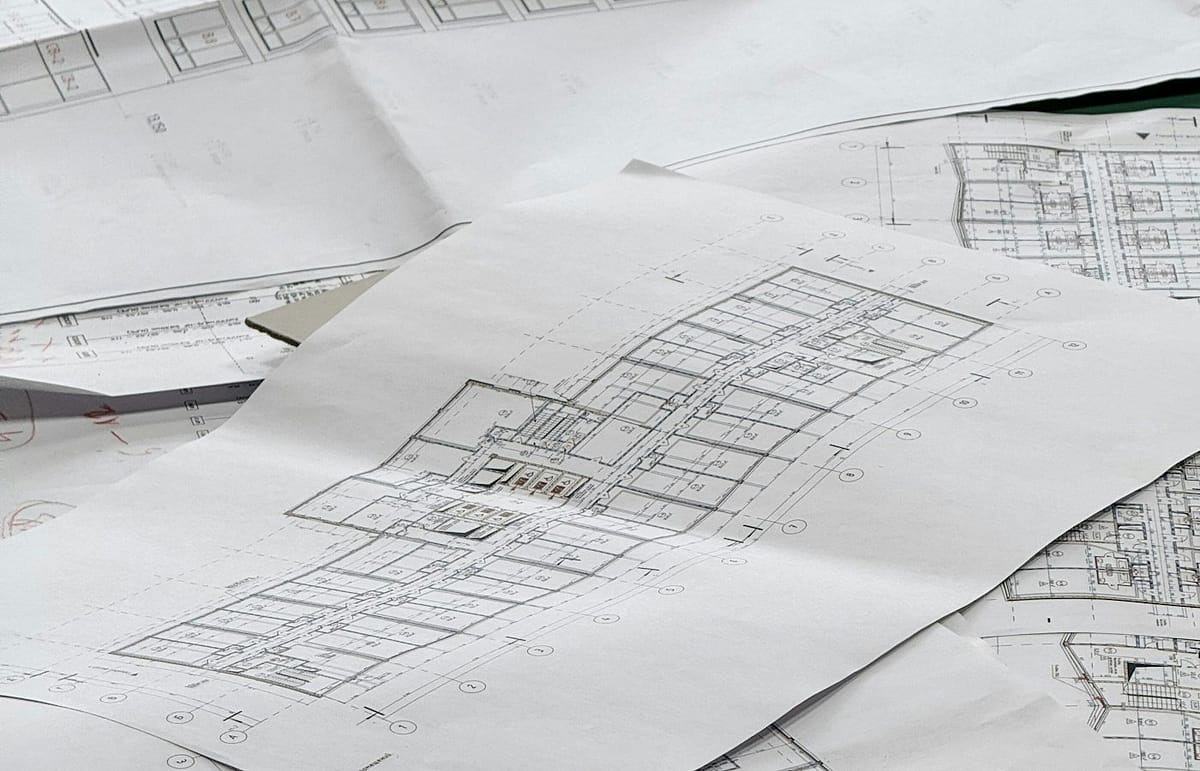
New construction still involves human workmanship. Problems can occur with grading, waterproofing, plumbing, wiring, insulation, roofing, HVAC installations and finishes. Municipal code inspections are important, but they are not substitutes for a buyer’s independent evaluation of the property’s condition.
Consider arranging inspections at three stages when the contract and construction process permit them: pre-drywall, to examine accessible framing and systems before walls are closed; final inspection, before settlement; and warranty-period inspection, before applicable coverage deadlines. The InterNACHI pre-drywall standards explain why timing matters. An agent can help coordinate inspection access and document outstanding concerns, although only qualified inspectors can evaluate technical conditions.
Finding a problem before the drywall goes up may be much easier than discovering it after you’ve moved in. Read our home inspection versus appraisal guide.
4. A “Free” Upgrade Might Not Be the Best Deal
Builders advertise upgraded appliances, countertops, floors, closing-cost credits, lot premiums waived or special financing. Some of those offers genuinely save buyers money. Others are harder to evaluate without comparing the total package: base price, selections, lot cost, HOA charges, financing and resale value. A $10,000 design-center credit isn’t a bargain if it leads you to purchase features you don’t need or if a comparable home is priced more competitively.
Ask the builder for a written specification sheet and final itemized price. Compare homes with similar square footage, lots and included features rather than treating the starting price as the closing price. Check our related coverage of homebuilder price cuts and incentives.
5. Preferred-Lender Incentives Deserve a Second Look
The builder may offer a large closing credit if you use its preferred mortgage lender. That can be an excellent deal, but only if it compares well against alternatives. Request Loan Estimates from multiple lenders and compare the interest rate, APR, points, lender fees, mortgage insurance, cash required at closing, and long-term borrowing costs. A temporary rate buydown is not the same as a permanently lower interest rate.
For homes not yet completed, ask about the mortgage rate-lock period and extension charges if construction is delayed. The CFPB explains that extending a rate lock may cost money. Your buyer’s agent can help organize lender comparisons without replacing financial advice from the lender. Our buyer closing-cost calculator can also help you prepare a realistic budget.
6. Construction Delays Can Turn Your Moving Plans Upside Down
Imagine you’ve sold your old home, scheduled movers, ended your lease and arranged new schools. Then the completion date changes. Bad weather, permitting, labor or supply problems can delay construction, sometimes for legitimate reasons. Even so, you may face temporary housing, storage, additional moving expenses or extended financing costs.
Before signing, ask whether the completion date is a guarantee or merely an estimate, what notice the builder provides about changes and what remedies the contract allows. An agent can’t eliminate construction delays, but one who follows the project can help you ask for written updates and coordinate realistic expectations.
7. The Warranty Doesn’t Necessarily Cover Everything
A new-home warranty is valuable—but it is not a blanket promise that every problem will be fixed for free. The Federal Trade Commission’s new-home warranty guidance explains that coverage often varies by component and duration and can include exclusions or specific claim procedures. Workmanship and major structural items may have very different terms.
Ask for the complete written warranty before closing. Find out who handles claims, what is excluded, which deadlines apply, how you must report concerns and how disputes are resolved. Keep photos and written documentation. Independent inspections can help you identify issues before applicable warranty periods expire.
8. You Could Overpay for the Lot or Underestimate Ownership Costs
One home may cost more because of an upgraded elevation or lot premium even when its layout is virtually identical to the one down the street. Beyond the asking price, investigate property taxes after construction, utility connections, HOA assessments, community restrictions, insurance costs and any flood considerations. Past tax figures for undeveloped land may not reflect the future bill on a completed home.
Buyers around Fleetwood, Blandon and Muhlenberg can start with our Berks County detached-home guide. Florida shoppers can review our Cape Coral property guide. If an association applies, check our HOA documents and fees checklist.
9. The First Model-Home Visit May Affect Agent Registration
Some builders require buyers to register their chosen real estate agent during the first visit or before any registration paperwork is completed. If a buyer tries to add an agent later, the builder may decline to pay that agent under its policies. That does not necessarily prevent the buyer from obtaining representation, but it can affect compensation arrangements.
Before touring, ask about the builder’s policy and discuss a written buyer representation agreement with the agent you want. Broker compensation is negotiable, and builder payment is never automatic. A buyer could have payment obligations depending on their agreement. For more, read the NAR consumer guide to written buyer agreements.
10. The Most Expensive Surprises May Appear After Closing
That beautifully staged house cannot show you a restrictive contract clause, a financing comparison you never made, a material substitution buried in documents or a warranty exclusion that matters months later. These risks aren’t inevitable. But they are worth evaluating before committing hundreds of thousands of dollars.
A diligent buyer’s agent does more than admire floor plans. Their role may include market research, builder communication, negotiation, coordinating inspections and monitoring milestones. The goal is to help you make an informed decision with an independent perspective.

Do You Have to Use a REALTOR® to Buy New Construction?
No. A buyer may purchase directly from a builder and engage other professionals as needed. But don’t assume removing an agent automatically lowers the home price; builders determine the pricing and incentives they will offer. Likewise, don’t assume the builder automatically pays an agent’s commission. Discuss the services, agency duties and negotiable compensation clearly before agreeing to representation.
Ask yourself whether you understand the builder’s contract, deposit terms, financing options, inspection opportunities, total ownership costs and cancellation rights. If not, independent guidance deserves serious consideration. A knowledgeable real estate attorney, independent home inspector and mortgage professional can also be important members of your team.
New Construction Buyer Checklist: Ask These Questions First
- Who does the builder’s sales representative represent?
- When does the builder require registration of my buyer’s agent?
- What is included in the advertised base price?
- Which lots and design choices add extra charges?
- When is my deposit refundable or nonrefundable?
- What happens if construction completion is delayed?
- Can I schedule independent pre-drywall and final inspections?
- What are the warranty exclusions and claim deadlines?
- How do the builder’s financing incentives compare with outside lenders?
- What will taxes, HOA fees, insurance and utilities cost after construction?
- What happens if my mortgage rate lock expires?
- How are buyer representation and agent compensation handled?
Get answers in writing and review documents before making nonrefundable commitments.
More New-Construction and Buyer Resources
- Berks County new-construction prices and open houses
- What new-home buyers want in their floor plans
- Homeowners insurance before closing
- Mortgage rate buydown versus seller credit
- Moving between Pennsylvania and Florida
For additional reading on construction choices and costs, see Handyman Problem Fixer. Homeownership and local community information can also be explored at Skook PA NewZ; these are general resources, not a substitute for professional advice.
Kenneth Hoffmaster, REALTOR®
If anybody KEN, it’s KEN!
Pennsylvania: Iron Valley Real Estate Keystone | PA License RS362822
Florida: Jason Mitchell Group | FL License SL3566866
Buyer Resources • Find Your Home Match • Reach Out to Ken
For consumer education only. No guarantee of outcomes, defects or savings. Builder practices, agency duties, contracts, compensation, and governing laws vary. Consult qualified legal, lending, inspection, and tax professionals as appropriate. Photographs are illustrative.