Solar panels can be an asset in a home sale—or a source of confusion when nobody has read the paperwork. Here’s an organized way to evaluate the equipment and the contract before a Pennsylvania or Florida closing.
Start with the question most listings never answer
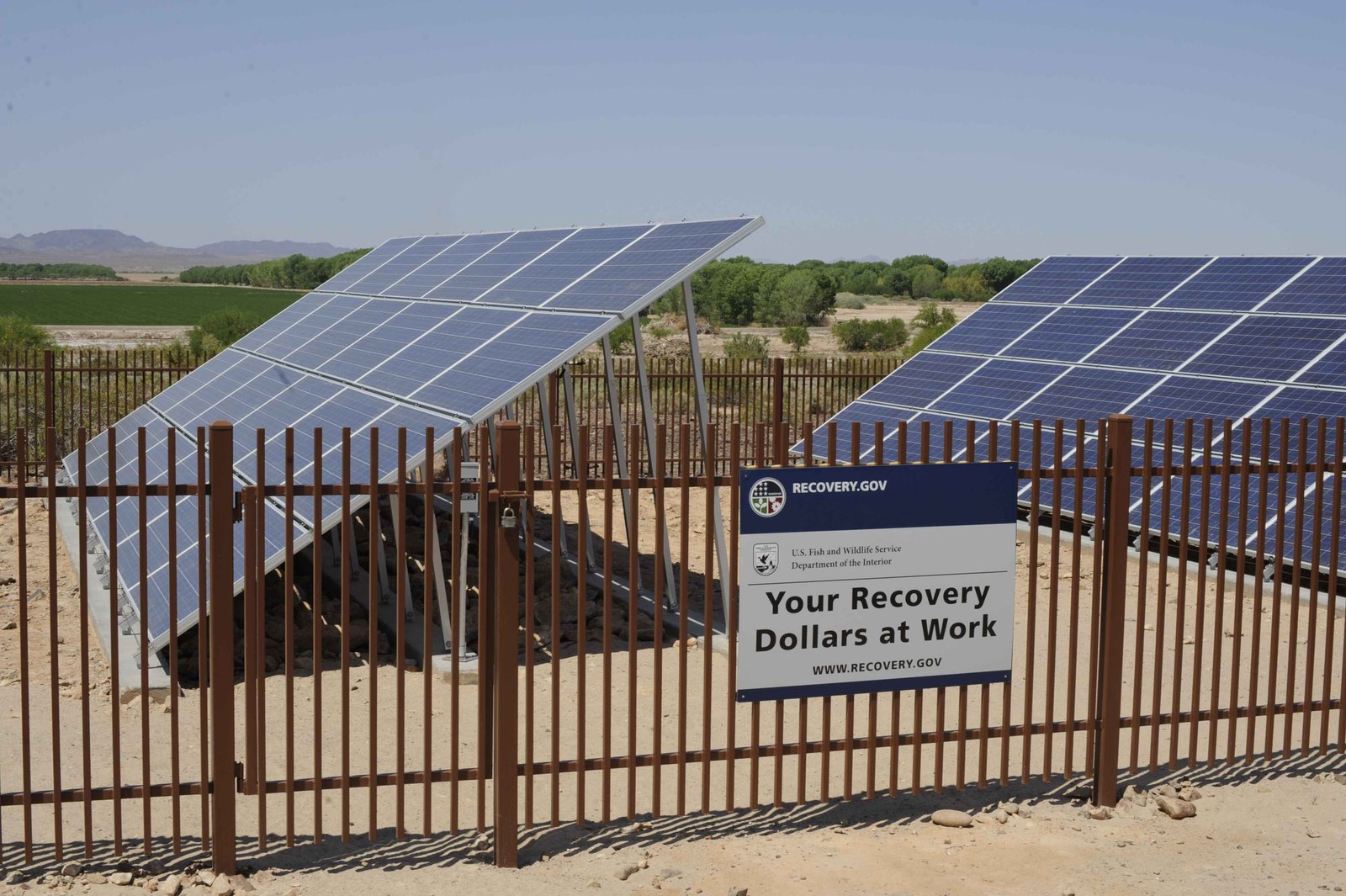
A photograph of solar panels is not a description of a solar agreement. Before a Pennsylvania or Florida buyer treats a rooftop system as an included feature, ask who actually owns it and what legal or financial obligations travel with the house. A seller may own the equipment outright, be paying off a separate solar loan, lease panels from a third party, or buy electricity under a power purchase agreement. Those arrangements can lead to very different closing conversations. This guide is designed to help buyers and sellers organize questions early, not to replace the contract, lender, title company, insurance carrier, or legal advice.
Solar can be attractive because it may reduce purchased electricity, but a system’s existence does not automatically guarantee a lower bill, a higher sale price, or an easy transfer. The most productive first step is to request the agreement and a recent utility statement rather than rely on a promotional estimate.
Four ways a home can have solar
An owned, paid-off system is relatively straightforward to describe, although warranties, equipment condition and any recorded documents still matter. A financed system raises questions about payoff, security interests and whether the buyer or seller is expected to satisfy the financing at settlement. A leased system generally involves a separate company retaining ownership of equipment. A power purchase agreement typically means the homeowner agrees to purchase electricity generated by a system owned by someone else.
These labels are a starting point rather than a complete legal analysis. Contract terms can vary, including transfer approval, price adjustments, maintenance responsibilities, roof-work procedures and default provisions. Never describe leased equipment as fully owned simply because it is installed on the roof.
Documents sellers should gather before the home goes live
Gather the signed installation and financing agreements, any amendments, payoff information, service records, warranties, interconnection approvals, monitoring information, and recent electricity bills. If the installation was completed by a previous owner, identify the current company that handles service or ownership records. Check that monitoring access can be transferred and determine whether a third-party provider has a particular resale procedure.
The paperwork should answer practical questions: When was the system installed? Who repairs an inverter? What happens when the roof needs replacement? Can a buyer assume the agreement, and does that process require a credit review? Is there an early termination cost? Are there insurance or lender notices? A seller who assembles these answers before showings can reduce preventable delays after accepting an offer.
What buyers should verify during due diligence
Request the actual utility bills and production history for a comparable period, ideally including different seasons. Check whether the system includes battery storage and, if so, ask about battery age, warranty and operating mode. Confirm that the roof is in suitable condition and ask whether installation penetrations have documented warranties. A roof that will need replacement soon can change the math substantially even when the panels themselves work.
Ask a qualified inspector or solar professional to examine visible conditions and obtain an assessment when needed. Avoid assuming that a standard home inspection includes a detailed photovoltaic performance test. Systems also differ in whether they provide backup power during an outage; panels alone do not automatically keep a home energized when the grid fails.
The lender, insurance company and title company each have a role
Mortgage underwriting may treat a solar lease or power purchase obligation differently from owned equipment. The buyer’s lender should review the agreement before final loan approval, not at the closing table. A homeowner’s insurance carrier can explain how panels and batteries are covered and what documentation it needs. The title company or closing attorney can investigate recorded interests, liens or filings and identify what must be released or documented.
For both Pennsylvania and Florida transactions, local contract forms and lender rules control the details. Do not guess that a solar contract will automatically transfer, or assume the buyer must accept it as-is. The real estate contract should accurately allocate obligations and specify any required documents, approvals or removals.
The math: compare complete costs, not slogans
A seller may point to a low electric bill, while a buyer may overlook a monthly solar loan or lease payment. Compare the total monthly and annual picture: utility charges, solar payments, potential escalators, maintenance, roof costs, and insurance. Then check whether the production figures are actual meter readings or projections. Panel performance can be affected by shade, age, direction, weather and equipment condition.
For example, a reduced utility bill is not the whole story if a separate contract adds a substantial monthly payment. Conversely, an owned, functioning system with documented performance may present a different value proposition. A local market analysis and appraiser’s assessment are more reliable than a blanket claim that every installation raises value by the same percentage.
Pennsylvania versus Southwest Florida considerations
In Pennsylvania, snow, shaded lots and older roofs can be part of the practical discussion. Buyers considering older homes in Schuylkill, Berks or neighboring counties should be especially interested in roof age and records of any major replacement. In Southwest Florida, wind and storm exposure, roof condition and insurer requirements deserve particular attention. A system installed before a significant storm should have clear service and inspection history where available.
Neither state has a one-size-fits-all answer for equipment financing, title review or insurance. A home with solar in Cape Coral might require different roof and insurance questions from an older detached home near Pottsville. The consistent rule is to verify the specific house and the specific agreement rather than generalize from a neighboring property.
How to describe the system in the listing
Use careful language: installed solar panels, seller-reported ownership type, and documents available for review. Avoid advertising “free electricity,” “paid off,” “no maintenance,” or a guaranteed amount of monthly savings unless evidence supports those claims. If a lease exists, state that details and transfer conditions are subject to review. Keep a dedicated document folder so prospective buyers receive consistent information.
Good listing descriptions also explain what is physically included: panels, inverter, batteries, monitoring equipment, and any portable or excluded equipment. Any uncertainty should be disclosed and resolved through the appropriate parties rather than filled in with optimistic assumptions.
Questions to take to the showing or offer discussion
Buyers can ask: Who owns the panels? What is the remaining balance or contract term? Who maintains them? Can the agreement be transferred? Are rates scheduled to increase? When was the roof last replaced? Is there any battery backup? How can production be verified? Have there been leaks, service claims or equipment failures? What paperwork does the closing company need?
Sellers can prepare answers to those same questions before accepting an offer. Their next step should be to contact the equipment provider for its current transfer procedure and the listing agent for language appropriate to the transaction. An organized conversation now can spare everyone a stressful scramble near settlement.
Official reference and next steps
The U.S. Department of Energy’s consumer guide to buying a house with solar panels recommends reviewing production data, battery information and the agreements tied to the system. For help reviewing the real estate side of a purchase or sale in Pennsylvania or Florida, visit KennethHoffmaster.com. This article is educational and does not provide legal, tax or engineering advice.