Practical guide • Updated October 11, 2026
An accepted offer is an important milestone, but it is not the end of a home purchase. The next stage brings contract deadlines, lender requests, inspections, insurance decisions and practical moving arrangements. Those tasks are easier to handle when they live in one clear plan instead of separate email threads and remembered conversations.
This Schuylkill County home buyer closing timeline is a planning framework, not a promise that every transaction takes a fixed number of days. Your signed agreement, lender and settlement professionals determine the requirements for your purchase. Use the framework to organize questions, assign responsibilities and identify decisions early. Ken Hoffmaster can help coordinate the real estate side while the relevant specialists address lending, title, insurance and legal questions.
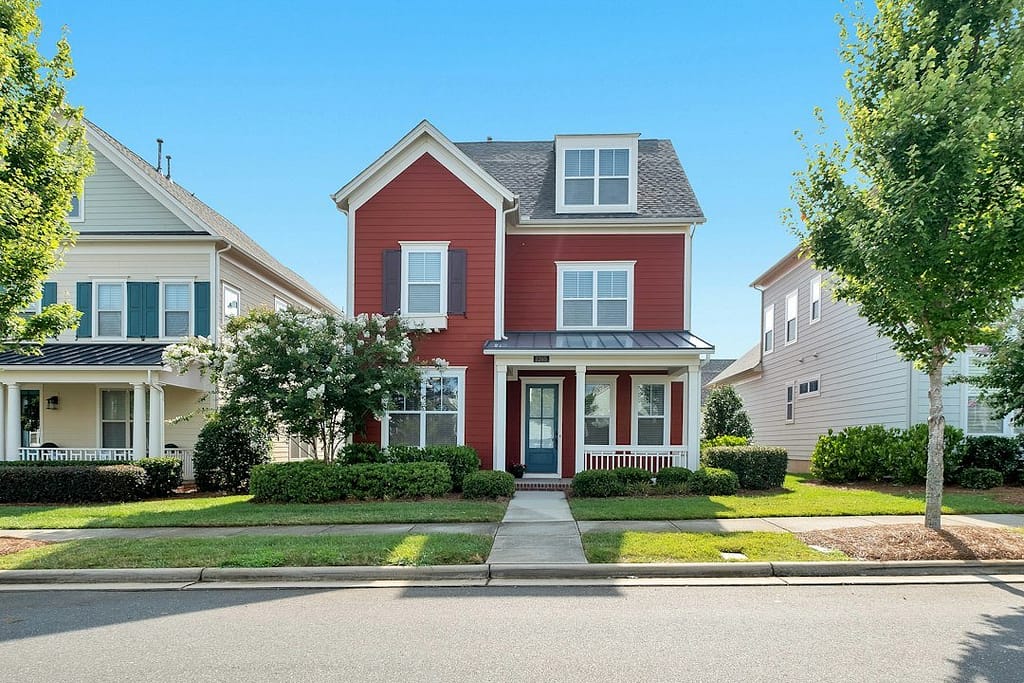
Featured illustration: Illustrative stock photograph. Photo by Zac Gudakov / Unsplash. The image does not identify a local property or location.
Put the signed agreement at the center
Start with the fully executed agreement and any related documents. Ask your agent to explain the transaction's dates and the practical steps you need to track. Legal interpretation belongs with an appropriate attorney when the question requires it. Do not rely on a generic calendar instead of the actual agreement.
Create one deadline list with the date, required action and responsible person. Distinguish a task you must complete from information another professional will provide. A deadline is easier to manage when it says what needs to happen rather than simply carrying the label “inspection” or “loan.”
Keep amendments and revised instructions with the current agreement. If a date changes, update the working calendar immediately and retain the record of the change. Avoid maintaining two competing versions of the plan, one on paper and one in a message thread nobody checks.
Confirm the communication team
Write down the agent, lender, settlement contact and any other relevant professional. Confirm how routine requests will arrive and how you should deliver sensitive documents. A clear communication arrangement reduces confusion when several people ask for different information at the same time.
Ask who handles each category of question. Loan terms belong with the lender. Title questions belong with the appropriate title or legal professional. Inspection findings should be discussed with the inspector and relevant specialists. The agent can coordinate, but coordination is different from replacing each professional's expertise.
Keep a short question log. Record the issue, person responsible, date asked and response. This makes follow-up specific and helps prevent an unanswered question from disappearing beneath the excitement of planning furniture and moving dates.
Respond to lender requests through the right channel
The Consumer Financial Protection Bureau's closing overview explains that borrowers need to provide additional documents and remain alert to lender requests during this stage. Ask the lender what it needs for your loan and when it needs it.
Use the secure process the lender establishes. Send the requested version and label it clearly. If a document is unavailable or a request is unclear, contact the lender promptly rather than guessing. A short explanation can be more useful than uploading several unrelated files and hoping one is correct.
Discuss financial changes with the lender before assuming they will have no effect. Do not treat an initial approval or preapproval as proof that every later requirement is complete. Keep the lending portion of the plan current until the lender confirms the relevant milestone.
Schedule the inspection decisions early
Review the inspection rights and deadlines in your agreement with the appropriate professionals. Identify which inspections you intend to obtain and arrange qualified providers within the actual timeline. Availability can become a practical constraint if you leave every call until the last day.
Prepare questions before the appointment. Ask what the inspection includes, what it excludes and whether additional specialists may be needed. A report helps you evaluate the property; it should not be treated as a guarantee that every condition has been discovered.
After receiving findings, organize them by the decisions they create. You may need clarification, an additional assessment or a contractor estimate. Discuss transaction responses with your agent and obtain legal advice when needed. Keep the contract deadline visible while you gather information.
Keep condition and financing questions separate
A concern about a roof and a lender's document request may both be urgent, but they belong to different parts of the plan. Track each issue with the appropriate contact so a response from one person is not mistaken for resolution of the other.
If a property condition could affect financing or insurance, ask those professionals directly how they evaluate it. Do not infer approval from a casual statement during a showing. Written, transaction-specific information is more useful than a broad assumption that similar homes always qualify.
Avoid making irreversible moving or purchase decisions while important questions remain unresolved. Your practical schedule should reflect the status of the transaction. A tentative closing date is useful for planning, but it does not eliminate the need to manage uncertainty.
Arrange insurance based on the actual property
Contact appropriate insurance professionals with accurate property information. Ask what coverage the lender requires and what other coverage needs consideration. Obtain a quote tied to the actual address and situation rather than using a general online estimate as the final budget.
Clarify effective dates, deductibles, exclusions and any outstanding underwriting requirements. Keep the response with the closing plan. A quoted price is only part of the decision; the policy's terms and availability also matter.
If flood risk is a concern, use official information and speak with an insurance professional. Do not assume the absence of a remembered flood or a familiar neighborhood name resolves the question. Property-specific review belongs early enough to affect your decision and budget.

Review loan documents before signing day
Use the CFPB's Closing Disclosure explainer to understand the form and identify questions for your lender. Compare the information with the terms you expected, and request explanations for differences. The applicable delivery and review requirements should be confirmed for your loan.
Keep a list of unresolved items rather than relying on a vague feeling that the figures look close. Ask the lender or settlement professional about the category that is unclear. Do not expect the person presenting signatures to change loan terms or decide a legal question for you.
Save the current document and the explanation of any correction. Label versions so you do not review an outdated packet on signing day. A careful review is easier when it happens before the appointment rather than while several people are waiting at the table.
Verify the process for closing funds
CFPB's mortgage-closing scam guidance warns that fraudulent messages can impersonate trusted transaction professionals. Establish trusted contacts and independently confirm payment instructions using a previously verified phone number or an appropriate in-person process.
Treat an unexpected change as a reason to stop and verify. Do not use a new number supplied in the same questionable message as your only confirmation. Ask the settlement professional and financial institution about their actual procedures and timing before initiating the payment.
Record the verified instructions securely and share sensitive information only through appropriate channels. The funds plan should be clear well before the final appointment so urgency does not become the reason you skip a verification step.
Schedule the final walkthrough appropriately
Discuss the walkthrough and its purpose with your agent under the transaction's arrangements. Confirm the timing and what you should review. Bring the current agreement and relevant repair or inclusion information so the visit has a clear reference.
Document concerns accurately and notify the appropriate professionals promptly. Do not assume an observation can be resolved by an informal promise that never reaches the settlement team. The response should reflect the agreement and professional guidance for the actual transaction.
Keep the visit focused on the relevant condition and agreed items. It is not a substitute for earlier inspection work, and it should not become the first time you raise a question that was visible weeks earlier. A clear checklist helps you distinguish new information from unresolved earlier matters.
Coordinate the move with the transaction status
Arrange utilities, insurance timing and moving services based on confirmed information. Ask about possession and access rather than assuming signatures automatically mean you can enter with a moving truck. The agreement and settlement arrangements determine the details.
Maintain a practical fallback for delays when your situation requires one. That might mean flexible moving arrangements or another confirmed short-term plan. Do not depend on an unverified assumption that a provider can change dates without cost or notice.
Keep essential items separate during the move. Identification, transaction contacts and necessary personal supplies should remain accessible. A well-organized closing can still become stressful if the required document is inside a sealed box at the back of a truck.
Use a realistic coordination example
Imagine a buyer comparing an inspection follow-up, an insurance request and a lender document deadline in the same week. The useful response is three specific tasks: book the relevant assessment, obtain the property-specific insurance answer and submit the lender's requested document through its secure channel.
One calendar shows the dates, while the question log shows who can resolve each issue. The buyer avoids assuming that one completed task proves the whole purchase is ready. This arrangement makes progress visible and gives the agent a clearer basis for coordinating the next step.
Keep records after the keys arrive
Store closing documents securely and retain the relevant professional contacts. Review the instructions for payment servicing and other post-closing obligations with the appropriate provider. Continue to verify unexpected requests rather than assuming every message about the property is legitimate.
A Schuylkill County home buyer closing timeline works when it follows the actual agreement and makes each next action clear. For help planning a Pennsylvania purchase, visit KennethHoffmaster.com or call (570) 968-5414. Bring your target location, timing and questions so the conversation begins with your real situation.