The real estate landscape in Pennsylvania is shifting with the amendment to the Real Estate Licensing and Registration Act (RELRA). This change, brought by Act 52 of 2024, signed into law in July, directly addresses wholesaling—a practice that has long existed in a gray area of real estate. With this amendment, wholesaling is now classified as licensed real estate activity, requiring anyone involved in such transactions to hold a real estate license. Learn more about this update here.
What Is Wholesaling?
Wholesaling involves purchasing equitable interest in a property with the intent to assign or sell that interest to another buyer without ever taking ownership of the property. Essentially, a wholesaler serves as a middleman, profiting by assigning their interest in the contract for a higher fee than they initially agreed upon with the property owner.
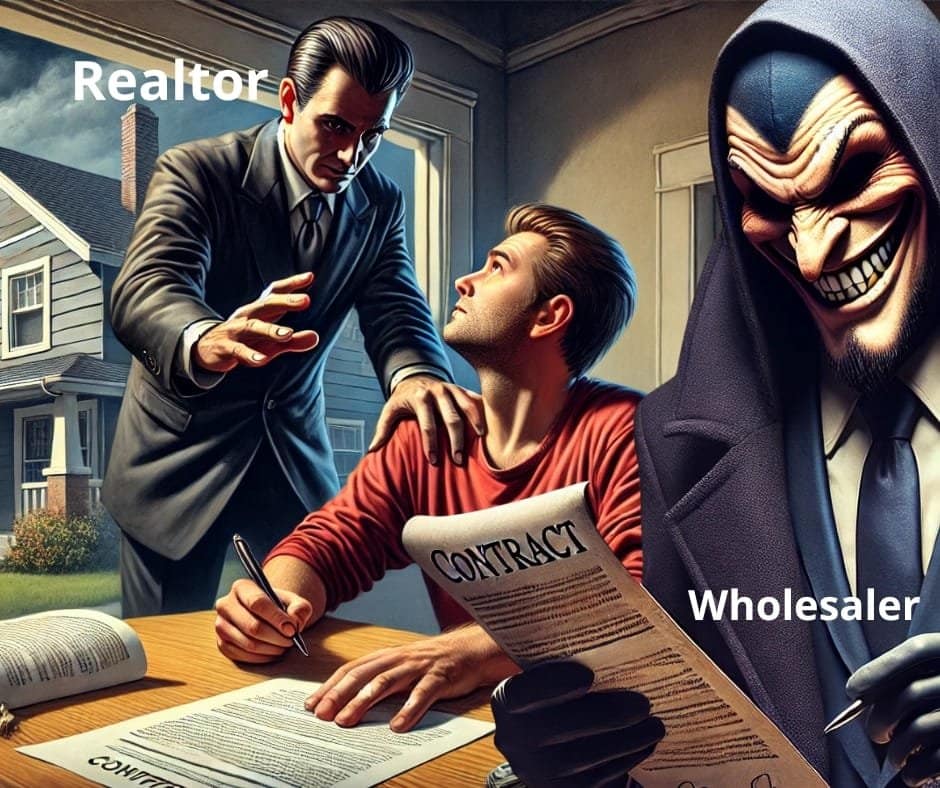
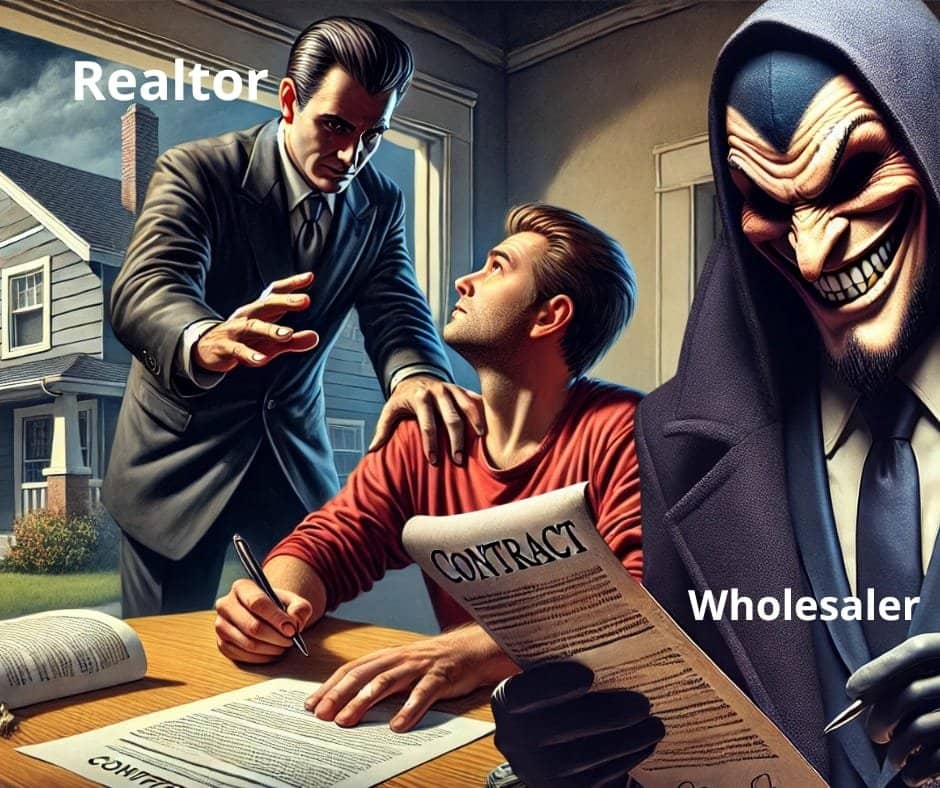
While this can be a lucrative opportunity, it has often been misused by individuals with minimal training, leading to unethical practices that exploit vulnerable homeowners. Unscrupulous acts, such as profiting tens of thousands of dollars off of a seller’s hard-earned equity, have unfortunately become all too common.
You might have seen ads like “Cash for Your Home” or “We Buy Houses Fast.” These ads promise a quick, hassle-free sale with no commissions, but what they often don’t tell you is that they strip you of your equity while failing to protect your best interests. In reality, the fees and profits these so-called “equity strippers” take often far exceed the commission paid to a licensed Realtor®.
Why Work With a Licensed Realtor®?
Using a licensed Realtor® like myself ensures that your best interests are protected. The commission you pay to a Realtor® is significantly less than the profits wholesalers make at your expense. More importantly, Realtors® operate under strict legal and ethical guidelines, guaranteeing transparency and protecting your equity and rights as a seller.
To protect your best interest and work with someone who has integrity and professionalism instilled into their character—and is bound to ethical principles by the Realtor® Code of Ethics—it’s a win-win for you. Contact me today by visiting my website kennethhoffmaster.com or emailing Contact@kennethhoffmaster.com.
What Does Act 52 Mean for Realtors®?
If you’re a Realtor® not involved in wholesaling, this change won’t directly affect your practice. However, as licensed professionals, understanding these legal updates ensures you can educate clients and comply with the new requirements if you encounter wholesalers in your transactions.
Brokers may also establish internal policies regarding wholesaling, further emphasizing the importance of awareness.
Key Requirements for Wholesaling Under RELRA
- Mandatory Disclosures:
- Wholesale contracts must now include:
- A statement clarifying that the agreement is for a wholesale transaction.
- Notification of the consumer’s right to consult a certified appraiser, unaffiliated real estate licensee, or legal counsel.
- A clear right-to-cancel clause, giving consumers until midnight of the 30th day after signing or until conveyance of the property to cancel the agreement.
- Wholesale contracts must now include:
- Compensation Transparency:
- All compensation for licensed activity must go through the broker supervising the transaction. This ensures adherence to Section 604 of RELRA, which prohibits salespersons and associate brokers from accepting commissions directly from third parties.
- Consumer Rights:
- Consumers retain the right to cancel wholesale agreements if disclosures aren’t compliant, and all payments made must be refunded within 10 days of cancellation notice.
How to Spot and Avoid Equity Stripping
Equity strippers often target homeowners who are in difficult situations, such as financial distress, offering promises of a quick sale with no fees or commissions. They may pitch these offers as a way to “make money fast,” but in reality, they often walk away with tens of thousands of dollars in profit, leaving homeowners with far less than what their property is worth.
By working with a licensed Realtor®, you gain a professional advocate who:
- Protects your best interests.
- Markets your property to maximize its value.
- Ensures transparency in the transaction.
- Charges a fair commission that is significantly lower than the equity you’d lose in a wholesale deal.
When you work with a Realtor® like me, your equity stays in your pocket where it belongs.
How to Verify Licensing and Report Violations
With wholesaling now classified as licensed activity, all participants must hold a valid real estate license. You can verify licenses through the Pennsylvania Licensing System (PALS) and report unlicensed activity to the Pennsylvania State Real Estate Commission.
Frequently Asked Questions About Wholesaling
- Do wholesalers need a special license?
No, a standard real estate license is sufficient. - Can a Realtor® represent a wholesaler?
Yes, but only with broker approval and oversight. - Is wholesaling subject to realty transfer tax?
Yes, as any transfer of interest in real property is taxable. - Can consumers cancel a contract with a wholesaler?
Yes, within 30 days or if the contract lacks the required disclosures, at any time before conveyance. - What about the Code of Ethics?
Realtors® must adhere to NAR’s Code of Ethics, ensuring honesty, full disclosure of pertinent facts, and transparency about personal interest in any transaction.
🔑 #WholesalingExplained #RealEstateUpdates #LicensedActivity #EquityProtection #ConsumerProtection #WeBuyHousesAds #RealEstatePennsylvania #SkookRealtor #HappyHoffmaster
This amendment is a game-changer for real estate in Pennsylvania. Whether you’re new to wholesaling or a seasoned Realtor®, understanding these updates is crucial. Stay informed, protect your clients, and continue leading with integrity. Read more about Act 52 here. Stay informed, protect your clients, and continue leading with integrity.