Community & Lifestyle | Pennsylvania
Some places are defined by a landscape. Others are defined by the people who make a place feel like home. In Schuylkill County, Pennsylvania, the sound of a familiar town square at Christmas, the smell of baking nut rolls, and a jar of homemade boilo shared between neighbors can say more about a community than any brochure.
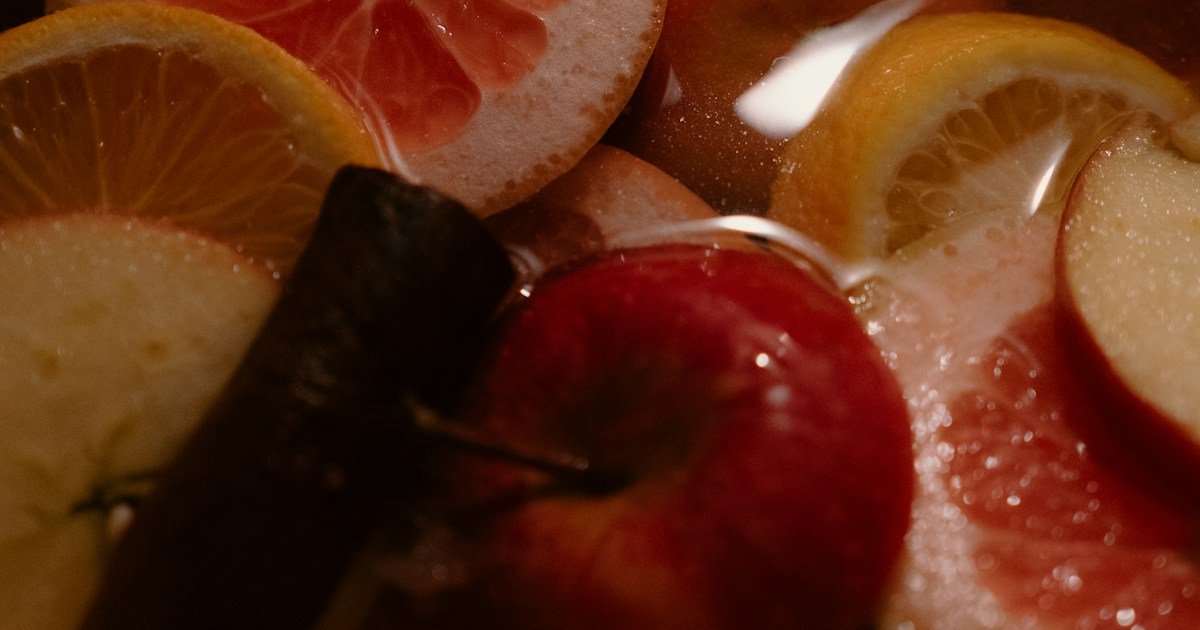
Boilo is a traditional holiday beverage made with honey, citrus, spices, and whiskey. To many people outside northeastern Pennsylvania, the name is unfamiliar. To generations of Coal Region families, it is part of the Christmas season. The stories surrounding this distinctive drink also help explain why local traditions can matter so much when choosing where to live.
What makes boilo a Coal Region tradition?
Boilo is closely associated with anthracite towns such as Shenandoah, Mahanoy City, Frackville, Pottsville, Girardville, and Tamaqua. Recipes vary from kitchen to kitchen, but the most familiar versions blend citrus, honey, cinnamon, cloves, and other spices with whiskey. Adult hosts often serve it warm in small portions or give refrigerated jars as seasonal gifts.
The drink is widely linked to krupnikas, an older Lithuanian honey-and-spice liqueur. During the nineteenth and early twentieth centuries, immigrants from Lithuania, Poland, and neighboring European communities settled in northeastern Pennsylvania’s growing mining towns. They brought skills, faith traditions, food, family customs, and recipes. Some changed as generations adapted to American ingredients and household preferences.
There is no verified single inventor of boilo and no definitive first Pennsylvania recipe. The important history is communal: many families contributed to a drink that became their own. The Schuylkill County Ethnic Heritage Study provides background on the immigration that shaped the region, and WVIA’s local reporting documents how boilo continues to bring residents together.
When is boilo made?
The tradition is most closely connected to Thanksgiving through New Year’s Day. Some households start assembling ingredients as soon as the weather turns cold. Others save their first batch for Christmas Eve, a tree-trimming party, or a gathering with visiting relatives.
A family may prepare a large pot on an early December weekend, then give little jars to adults in the neighborhood. Another may have a treasured holiday recipe that only one person knows how to make correctly. Those variations are often the most memorable part of the season, and it’s one reason boilo competitions have developed around Pennsylvania’s Coal Region.
Boilo does not have to be made only in December: the Schuylkill County Fair’s boilo contest has featured traditional, apple pie, and other styles. A drink born of winter gatherings has become a year-round emblem of local pride.
Why traditions matter when a house becomes a home
Buying or selling a house involves practical decisions: cost, space, condition, location, schools, commuting, and maintenance. Those considerations are essential. But a community’s culture is another part of how people experience a place.
Schuylkill County is filled with towns that developed around mines, railroads, houses of worship, and local businesses. Different neighborhoods have their own festivals, organizations, social traditions, and holiday rhythms. A person relocating from elsewhere may first notice the architecture or mountain views. Over time, they may discover that neighbors share recipes, trade garden vegetables, and remember family histories reaching back generations.
Not everyone celebrates the same holidays or observes the same customs. Boilo is simply one example of a wider pattern: local heritage remains part of everyday life. When exploring a new area, it is worth looking beyond the number of bedrooms and finding out what makes that community distinct.
Coal Region holiday hosting: simple ways to make guests feel welcome
One of the nicest lessons from local holiday traditions is that hospitality does not have to be expensive. A kitchen filled with familiar scents, a clean and comfortable gathering space, and something homemade can make visiting relatives feel at ease.
- Set up a safe serving station. Keep alcoholic boilo clearly labeled and separate from a nonalcoholic holiday punch. Provide water and plenty of food, too.
- Make room for conversation. Arrange seating so guests can visit comfortably without crowding the kitchen.
- Keep walkways clear. Holiday decorations, extension cords, loose rugs, and seasonal clutter can create avoidable tripping hazards.
- Plan for winter weather. Have space for coats and boots and pay attention to slick steps, walks, and entryways.
- Preserve a family story. Put a printed recipe card beside the table or invite an older relative to explain how their family celebrated years ago.
These details work for homeowners, renters, and people celebrating their first winter after a move. A welcoming home is about how people are treated, not only about décor.

A simple boilo-inspired recipe for holiday gatherings
This heritage-inspired recipe captures familiar Coal Region flavors. It is not intended to replace any family’s cherished version.
Ingredients
- 2 oranges and 2 lemons
- 4 cups water and 2 cups ginger ale
- 1 to 1½ cups honey
- 3 cinnamon sticks, 6 whole cloves, and 6 allspice berries
- ½ teaspoon caraway seeds, optional
- 1 tablespoon sliced ginger and a handful of raisins, optional
- 2 cups commercially purchased whiskey, for an adult batch only
Preparation
- Wash the citrus, cut into pieces, and squeeze the juice into a large pot. Add some peel for fragrance, avoiding excessive bitter white pith.
- Add water, ginger ale, honey, and spices. Simmer the nonalcoholic base gently for 25–30 minutes, stirring occasionally.
- Remove the pot completely from the heat, strain the fruit and whole spices, and allow the liquid to cool to a comfortably warm temperature.
- For an adult batch, add whiskey only when the pot is safely away from any burner, flame, or ignition source. Never add alcohol to a boiling mixture.
- Serve warm, not scalding, in small portions. Transfer leftovers into clean containers and refrigerate promptly.
A nonalcoholic alternative: Leave out the whiskey and add more apple cider, ginger ale, or water. Label the two preparations clearly and keep them separate. Alcoholic boilo is for people age 21 and older and is not a cold or flu treatment.
Every family’s recipe says something about its history
Some recipes are sweeter, while others contain much more citrus. A caraway-heavy version may recall European spice combinations; an apple-pie version may represent a more recent family experiment. One household swears by a particular whiskey, while another dislikes adding raisins. Those details matter because a recipe is often a record of individual family preferences.
If you have older relatives who make boilo, ask them to explain their method before another holiday season passes. Take notes, photograph the recipe card, and record the town or family where the version started. That small act can preserve a story as well as a beverage.
Discovering Pennsylvania communities, one tradition at a time
There are many reasons people choose to put down roots in Schuylkill County and the surrounding Pennsylvania communities. Some value proximity to family. Some want additional space, a different housing budget, or a change of pace. Others are simply returning to an area that has always felt like home.
Whatever brings someone here, learning about local traditions can make the experience richer. Talk with neighbors, support local events, visit historical organizations, and explore the many small towns that make the region distinctive. The meaning of “home” often grows through those experiences.
For a deeper history of boilo, regional ingredient variations, and a full recipe, read the SkookPA Newz feature on boilo and Schuylkill County traditions.
For questions about buying, selling, or relocating within Pennsylvania or Florida, explore the local information and property resources at KennethHoffmaster.com. For Pennsylvania document-signing information, visit Ken’s Notary.
The best holiday traditions are the ones we pass along
A homemade jar of boilo is not necessary to enjoy Schuylkill County, but it reveals something true about its communities. Neighbors have been sharing stories, recipes, and celebrations across generations. Some of those customs developed in the shadow of the coal mines; many are still part of family life today. And as new residents discover the area, those stories continue to grow.
Sources: Schuylkill County Ethnic Heritage Study; WVIA’s Coal Region boilo reporting; Pennsylvania Capital-Star.