A property may fit the purchase-price budget yet produce a surprise when homeowners insurance quotes arrive. Insurance eligibility and premiums can depend on a home’s physical condition, location, construction, use, and the company’s underwriting rules. Florida buyers often need special attention to wind and hurricane exposure; Pennsylvania buyers should not overlook older buildings or water-related risks.
Getting an insurance quote early is an important affordability check. This guide outlines the right questions for your lender and licensed insurance professional without recommending a particular policy or promising any company will issue coverage.
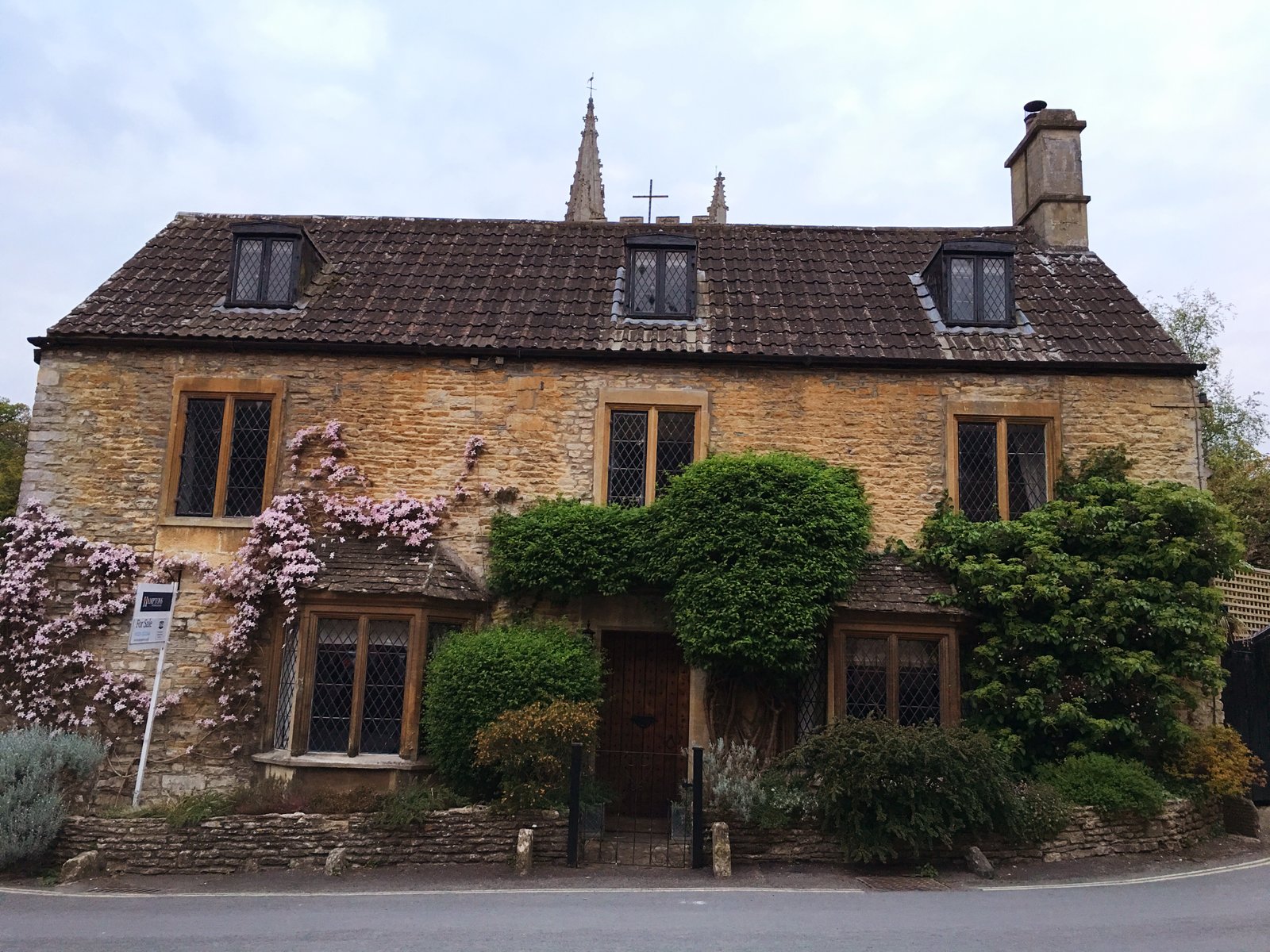
Request a quote early in the purchase
Buyers often calculate principal, interest, and property tax before getting a real homeowners insurance quote. That can underestimate the monthly cost. The quoted premium depends on the property and the company’s underwriting rules. Ask a licensed insurance agent for a property-specific quote early enough that an unexpected price or eligibility issue can be discussed before contract deadlines.
Provide the actual address, intended occupancy, construction details, and financing information. Online estimates may be based on incomplete assumptions. A quote also may be subject to inspection, additional documentation, or final underwriting. Do not assume the lowest advertised number will be available for the home you want.
Understand lender requirements
Many mortgage lenders require acceptable property insurance to protect the collateral. The lender may specify coverage amounts, effective dates, deductibles, and mortgagee wording. Ask your loan officer when evidence of coverage is due and which details must appear on the insurance documents. Insurance questions should become part of the early loan conversation rather than a closing-day emergency.
If an insurer cannot issue a policy in time or the lender rejects a proposed coverage arrangement, settlement can be disrupted. Coordination among the buyer, insurance agent, lender, and title provider helps avoid missing information. Keep written records of important coverage approvals.
Distinguish replacement cost from market value
The market price of a home is not necessarily the amount required to rebuild it after serious damage. Land value, construction labor, materials, and rebuilding requirements can affect the numbers differently. Ask the insurance agent to explain the dwelling coverage amount and whether the insurer uses replacement-cost provisions, subject to the policy’s specific terms.
Also discuss other structures, personal property, loss-of-use benefits, and liability coverage where applicable. Coverage categories have limits and exclusions. A buyer should understand how the selected policy responds rather than merely confirming that some kind of insurance certificate exists.
Prepare for Florida wind questions
Insurers in Florida may ask about the roof’s age and condition, construction, openings, plumbing, electrical systems, and heating or cooling updates. The Florida Department of Financial Services explains that insurers may request photographs or evidence of upgrades and wind-mitigation inspection forms. Requirements and possible discounts vary with the insurance company.
An older roof does not automatically mean coverage is impossible, but unresolved documentation or condition concerns can affect underwriting. Ask sellers for permits, inspection reports, and repair records where available. Do not count on a wind discount before the insurer has reviewed the necessary evidence.
Review deductibles in actual dollars
Premium comparison is only half the decision. A policy can have different deductibles for certain types of claims, including named storms or hurricanes. If a deductible is expressed as a percentage, ask the insurance agent to calculate what it means in dollars for the proposed coverage amount. A buyer should know the possible out-of-pocket expense before choosing.
A lower premium does not always provide a better financial fit when the family lacks funds for a large deductible. Consider emergency reserves along with ordinary monthly costs. The correct balance depends on financial circumstances and the terms of the actual coverage offer.
Treat flooding as a separate question
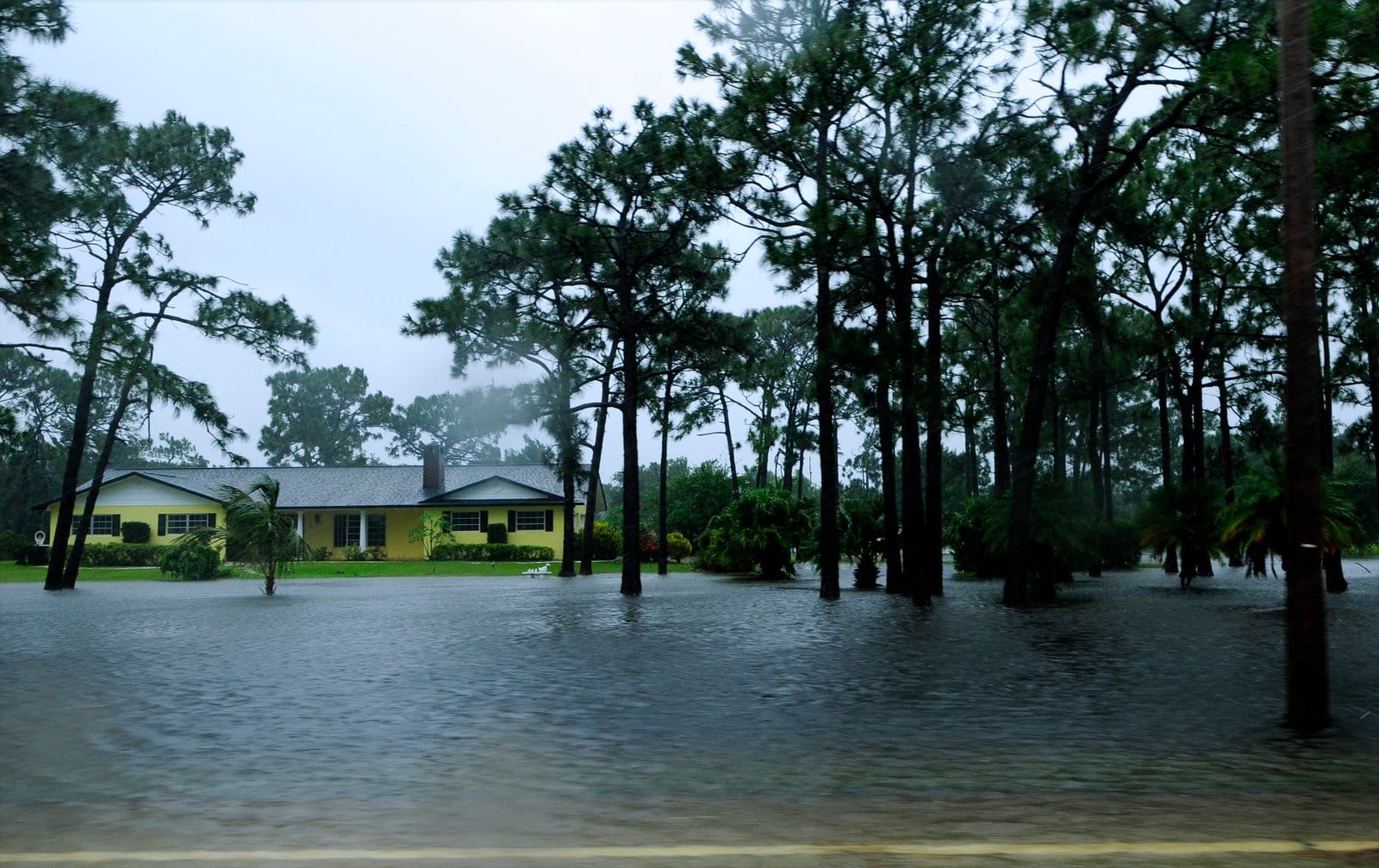
Standard homeowners policies commonly exclude flood damage. Separate flood insurance may be required by a lender for some locations or may be worth considering based on the property’s risk. A map category is one piece of information, not a guarantee about whether a house will flood. Stormwater, rivers, coastal surge, and historical damage can warrant questions.
Buyers in both Pennsylvania and Florida should evaluate coverage, limits, exclusions, waiting periods, and whether a policy meets lender requirements. Ask about both National Flood Insurance Program and private options where available. Do not assume a standard homeowners policy will handle every kind of water loss.
Use the inspection process intelligently
A home inspection may uncover roof wear, water damage, old wiring, plumbing defects, or other issues relevant to insurance eligibility. The insurer may separately inspect the home or request a specific form. Make sure professionals understand the type of inspection requested; a general inspection and a wind-mitigation report are not interchangeable.
When an insurer requests repairs or further information, ask what must be addressed before issuance and whether alternatives exist. A buyer should not promise repairs based only on a quick verbal conversation. Obtain written requirements where possible and review deadlines with the real estate transaction team.
Explain occupancy accurately
Coverage needs may differ for a primary residence, seasonal home, vacant home, or tenant-occupied property. A Florida buyer who expects to leave for several months, or a Pennsylvania buyer planning to rent a house, should discuss that intention directly with the insurance professional. The occupancy description in a quote should reflect the actual planned use.
Short-term rental plans, renovation projects, and substantial periods of vacancy may raise additional policy questions. Making incorrect assumptions about these details can create coverage disputes. Confirm whether an endorsement or different policy is appropriate before committing to a purchase strategy.
Budget for changes after the first year
A current insurance quote is not a promise that premiums will remain the same for many years. Property risks, insurance markets, replacement costs, and company decisions can change. Ask about the renewal process and factors that could trigger an inspection or a request for additional information. Include a buffer in a long-term household budget.
Consider taxes, association fees, utilities, routine repairs, and maintenance reserves alongside insurance. A homeowner’s true costs go beyond principal and interest. Buy a home that fits the broader budget rather than only the maximum preapproved loan amount.
Double-check the closing paperwork
Once a policy is selected, verify the property address, name of the insured, lender’s mortgagee details, effective date, coverage, and amount due. The closing team may need evidence that the policy is active or ready to become effective. Ask who is responsible for delivering each document and when the title company needs it.
Keep copies of declarations and contact information after closing. If the property or occupancy changes, discuss whether insurance should also change. Good recordkeeping makes future renewals, claims, and lender inquiries easier.
Ask the same questions of competing insurers
When comparing quotes, ensure the policies use comparable dwelling coverage, deductibles, liability limits, and endorsements. The cheapest headline premium may leave meaningful differences in coverage. Ask the agent to explain exclusions and provide a written comparison whenever possible. The goal is not to purchase the largest number of optional add-ons, but to understand choices.
Your agent and lender can coordinate timing, but policy suitability belongs with a licensed insurance professional. Avoid treating a neighbor’s premium as a reliable prediction for your property. The two homes may have different construction, maintenance histories, risks, or policy forms.
Official references
The Florida Department of Financial Services explains insurer underwriting and possible inspection needs; its homeowners insurance guide discusses coverage. Visit FloodSmart for information about separate flood policies. Always compare actual quotes for the specific property, not generic national estimates.