Homebuyer education | October 17, 2026. For Pennsylvania and Florida readers; informational guidance, not a claim about a particular property.
Flood risk is a property question, not just a coastal question
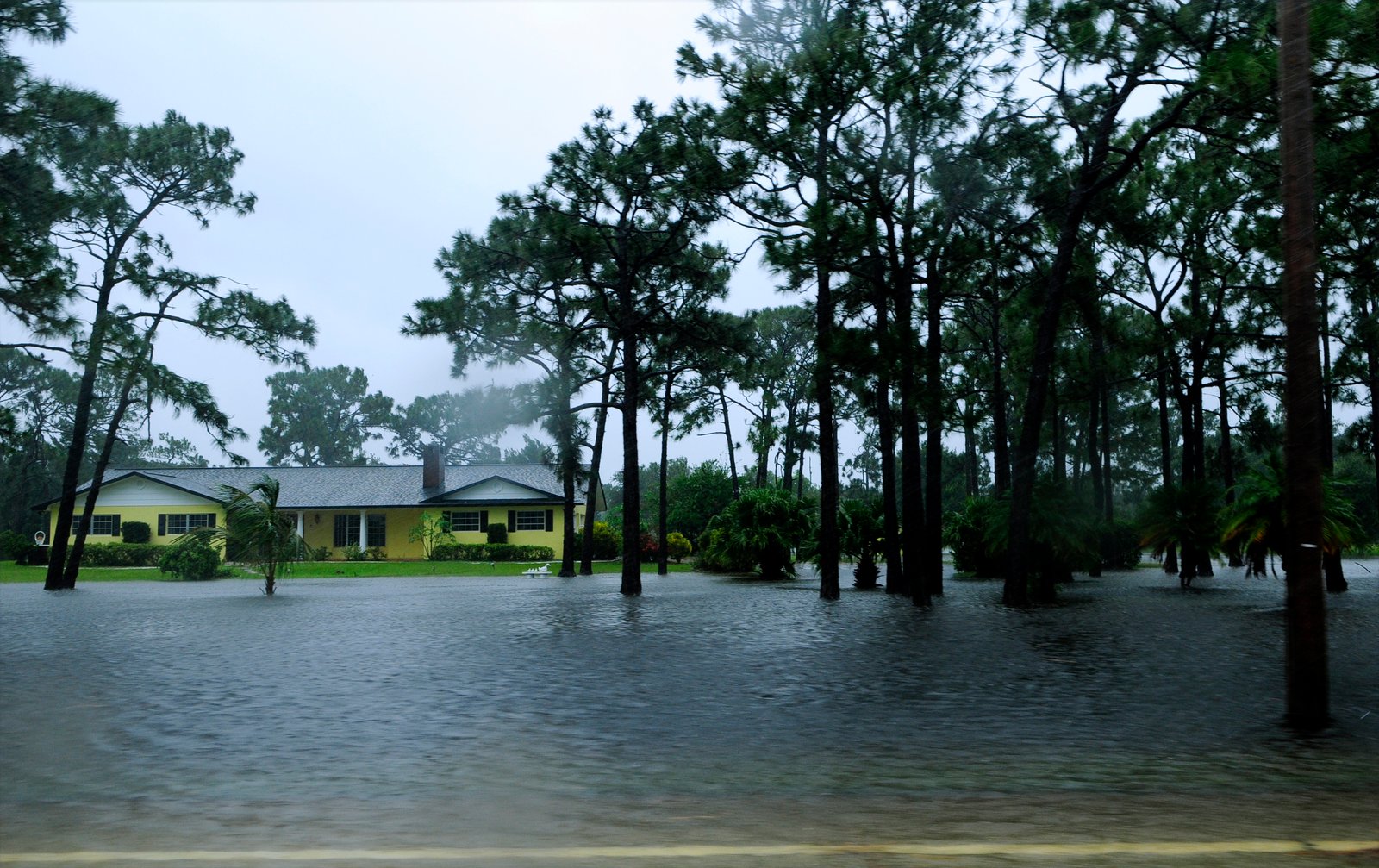
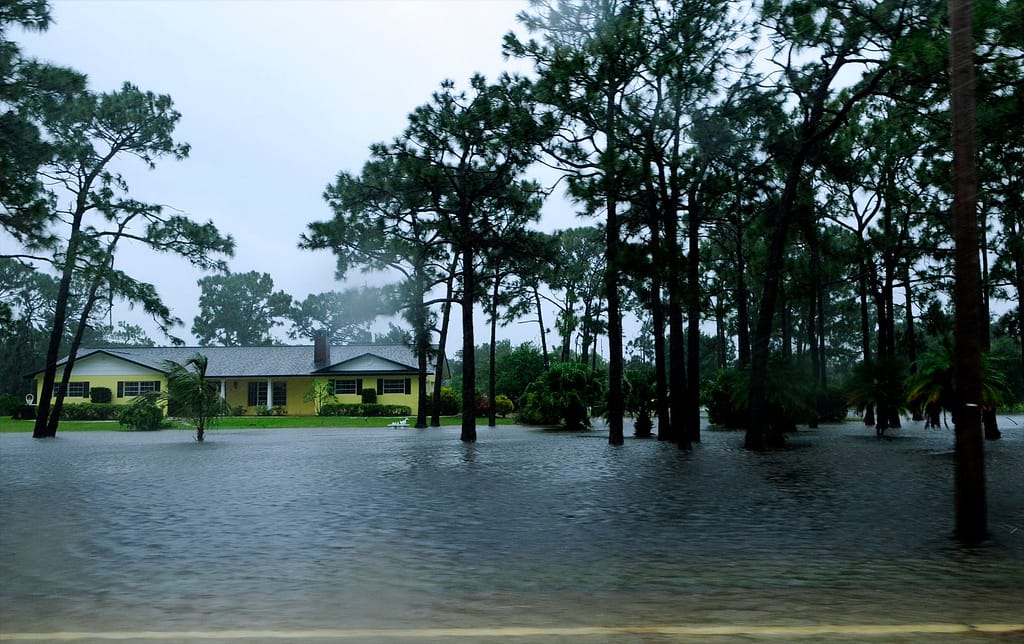
Many buyers think flooding means a house beside an ocean. Water can also enter homes after heavy rainfall, localized drainage failures, overflowing streams, saturated soils or other events far from a coast. A house in Pennsylvania can have flood-related concerns just as a Florida property can. The useful question is not simply ‘Is it in a flood zone?’ but ‘What information can we independently gather about how water reaches this parcel and how the house has responded?’ A street address is a starting point for public map research, but it is not enough to describe every water pathway. Your evaluation should combine maps, on-site observation, seller disclosures, insurance quotes and professional expertise where appropriate.
Start with FEMA’s official map service
The Federal Emergency Management Agency offers the Flood Map Service Center as the official public source for current flood hazard mapping products. Search the correct street address and review the map panel, effective date and any letters of map change. If you have difficulty locating the exact parcel, verify it against local parcel records or ask a qualified surveyor. FEMA flood maps help communicate mapped flood hazard areas and support certain insurance and lender decisions. They are not guarantees that a property outside a Special Flood Hazard Area cannot flood. Water can create damage from storm runoff or other sources that a flood map does not fully capture. Keep a copy of the results and note the date you accessed them.
Distinguish a map classification from a forecast
A mapped flood zone is not a personal prediction that water will or will not reach the home in a particular year. It reflects defined mapping methods, assumptions and available studies. Maps can change as better information becomes available, and a buyer should check the effective version instead of an old listing screenshot. When you see terms such as ‘1-percent-annual-chance’ flood, do not confuse that statistical description with an event that can happen only once every hundred years. The same area can experience repeated major floods within a relatively short period. For a difficult or high-value decision, a surveyor, engineer or insurance professional can help interpret the property-specific information beyond the simplified screen view.
Inspect drainage outside, not just the interior
During a showing, look at grading, driveway pitch, downspout discharge, retaining walls, nearby channels, basement openings and the relationship between the house and adjacent lots. Ask whether water appears to move toward foundations or collect by low entrances. A dry basement on a sunny afternoon is helpful information but cannot prove how the building behaves during an intense storm. Look for staining, patchwork, water marks, odors and signs of repeated cosmetic repairs, but avoid making assumptions about the cause without a qualified inspection. Drainage conditions can change when nearby sites are developed or culverts become blocked. Document the observations and ask for the property’s history where reasonably available.
Find out what insurance actually covers
Standard homeowners insurance often treats flooding differently from covered plumbing leaks or other forms of water damage. Coverage, exclusions, waiting periods and insurance requirements vary. Before committing to the purchase, ask a qualified insurance agent for a written flood-insurance estimate and an explanation of the policy’s terms. Determine what the mortgage lender will require based on the loan, collateral and map information. Some insurance may be available through the National Flood Insurance Program or private markets, subject to eligibility and underwriting. Do not assume a seller’s current premium will be available to a new owner at the same cost. Build the estimated expense into the real monthly ownership budget along with taxes, utilities and other insurance.

What disclosures and previous records can reveal
Seller disclosure forms may identify known water penetration, drainage work, prior flood-related damage or repairs, depending on the applicable laws and forms. Read responses carefully and ask follow-up questions about dates, locations and supporting documentation. An old claim, contractor invoice, sump pump replacement or basement waterproofing contract can be useful context, but none should be interpreted in isolation. A property might have undergone a legitimate permanent improvement, or the original cause might be unresolved. Request facts rather than accusing anyone of withholding information. Your agent or attorney can help determine what a seller must disclose under the governing law and what rights the buyer retains to investigate further.
Special considerations for condos and associations
Flood exposure for a condominium is not confined to the individual unit. Common elements, electrical rooms, elevators, mechanical systems, parking areas and shared insurance may affect cost and livability. Ask for relevant association documents, insurance information and available history of water-related incidents. The existence of a master insurance policy does not mean the unit owner has complete coverage for personal property or interior improvements. A ground-floor unit may face different vulnerabilities than one above, but upper-floor residents can still share expenses from damage to common elements. Evaluate the building and association as well as the unit. The specific governing documents and insurance contracts matter more than generalized marketing claims about the neighborhood.
Who can help investigate an unclear map result
If public records, elevation, drainage or a previous flood claim create uncertainty, involve a qualified surveyor, floodplain professional, engineer or insurer before relying on a guess. An insurance quote may identify a need for elevation or other documentation. Some property-specific questions also require municipal floodplain office guidance. A buyer should know that a real estate agent can help organize this research but generally cannot certify the engineering, flood elevation or future insurability of a property. Keep the inquiry within inspection and financing deadlines when possible. If the property remains appealing, make the decision with a clear understanding of the unresolved questions instead of pretending every risk can be eliminated.
Five documents worth saving before closing
Save the current FEMA map result for the exact parcel, any available elevation or survey documentation, written flood and homeowners insurance quotes, the seller’s disclosure and related answers, and the inspection reports addressing drainage or water intrusion. Also record the lender’s insurance requirements in writing. These documents are useful for budgeting, for conversations with future contractors and for a later sale. They will not prevent flooding, but they help preserve the factual basis of your original decision. Ask how to update insurance and emergency planning if the physical risk, property use or map classification changes after purchase.
Independent sources
Use FEMA’s Flood Map Service Center for official flood hazard maps, FloodSmart for National Flood Insurance Program consumer information and the Consumer Financial Protection Bureau’s homebuying resources for general mortgage planning. Mapping data and insurance conditions change. Always confirm the current information for the specific address and the proposed closing date.
Three buyer scenarios and the next sensible question
Scenario one: a house outside a mapped high-risk zone has a wet basement history. The flood map is useful, but it does not resolve the cause of water entering that building. Ask for dates, photographs, repair invoices and any known drainage or sump-pump records. Request an independent inspection that addresses visible moisture conditions, and let a qualified contractor evaluate whether an ongoing issue may remain. Check insurance for the relevant types of water damage; flood and non-flood losses may be treated very differently under particular policies. A buyer who has learned that the home is not within a federally mapped high-risk zone still needs to think about storm runoff, poor grading and individual property conditions. Put the answers in writing and assess them before the applicable deadline rather than relying on a reassuring verbal summary.
Scenario two: a Florida property is attractive, but insurance figures seem uncertain. A listed association fee, a seller’s old policy or a general Internet insurance estimate is not a reliable quote for a new purchaser. Provide the accurate address and building details to appropriately licensed insurance professionals. Ask what policies cover, what is excluded, whether wind and flood coverage are separate, and whether costs could depend on roof or elevation documentation. For a condominium, review the scope of the association’s master policy versus the unit owner’s responsibility. If an insurance agent needs additional information, request the material while you still have negotiating and financing options. A low initial mortgage payment estimate can become misleading if the insurance portion has not been independently verified.
Scenario three: the mapped boundary crosses the property. Do not choose an answer by looking at a small screenshot and assuming the home’s exact footprint or elevation. Review the official effective map carefully, ask which structures are in question and consider professional survey, elevation or municipal floodplain assistance if the answer affects the transaction. The lender and insurer may have document requirements that differ from the practical risk of stormwater on the lot. If a seller cites a prior determination or map amendment, request the actual record and verify that it applies to the correct parcel and structure. Buyers benefit from separating these questions: what the map states, what the property has experienced, what insurance is available, and what the future owner could afford if water damage occurs.
Questions worth asking at your next showing
Where does rainwater flow from the street and adjacent yards? Are downspouts directed away from the foundation? Has the lower level ever had standing water, and what was done afterward? Is there a sump pump, what areas does it serve and where does it discharge? What is the date of the most recent flood map or insurance quote being discussed? Have any building systems or shared condominium components been affected by water? Which answer is supported by a document, which is the seller’s recollection, and which requires a licensed professional’s evaluation? Keeping those categories separate helps people avoid a false sense of certainty while still moving efficiently through the purchase process.